
Bitcoin ATM Networks Face Regulatory Shutdown Wave
Regulators worldwide are dismantling Bitcoin ATM infrastructure, forcing operators to exit markets and stranding retail users. The shutdown accelerates as FinCEN and state authorities tighten KYC and money-transmitter licensing requirements.
FinCNews Editorial
View source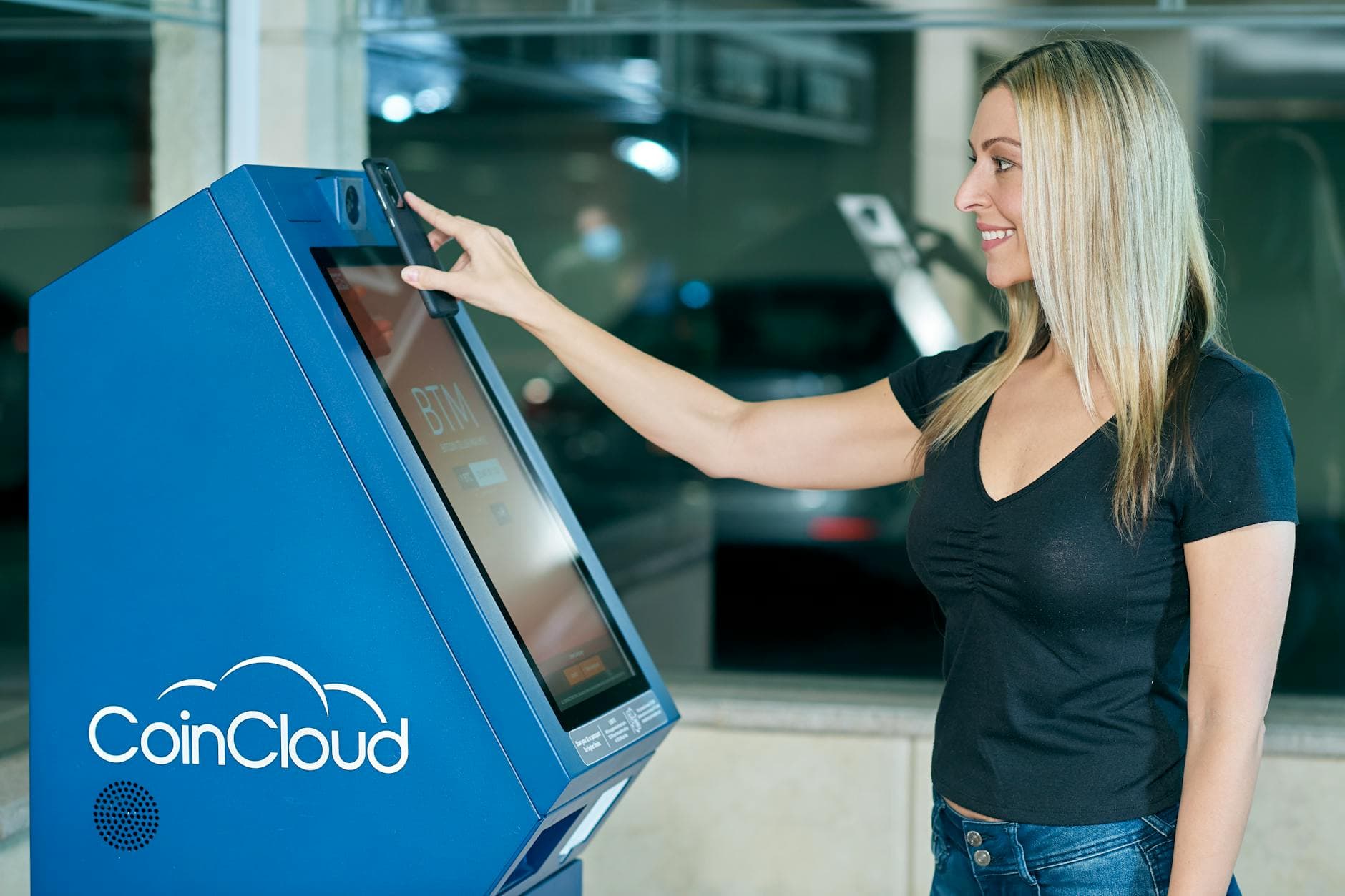
What Happened
Bitcoin ATM operators are exiting major markets as regulators impose strict compliance frameworks that make physical crypto machines economically unviable. In May 2026, several leading ATM networks announced significant network reductions, citing regulatory pressure from the Financial Crimes Enforcement Network (FinCEN) and state-level money transmitter requirements. The closures affect thousands of machines across North America and Europe.
Operators report that implementation costs for enhanced Know Your Customer (KYC) procedures, transaction reporting systems, and state-by-state licensing have exceeded profitability thresholds. Some jurisdictions now require ATM operators to hold full money-transmitter licenses, creating barriers that individual operators and smaller networks cannot surmount. The trend mirrors broader regulatory tightening in crypto custody and retail access channels.
Retail users face limited alternatives for converting fiat to cryptocurrency without digital exchange accounts, particularly in underbanked regions where Bitcoin ATMs previously served as bridge infrastructure. The shutdown wave coincides with regulatory scrutiny over anonymous cash-to-crypto conversion and anti-money-laundering concerns.
Why It Matters
Bitcoin ATMs represented the most accessible on-ramp for unbanked and underbanked populations seeking cryptocurrency exposure. Their removal narrows retail participation pathways and increases reliance on regulated digital exchanges that impose stricter identity verification. This shift consolidates crypto access within formal banking infrastructure, reducing censorship-resistant alternatives for financial inclusion.
For institutional stakeholders, the ATM shutdown signals regulatory intent to eliminate parallel cash-to-digital-asset conversion networks. The precedent establishes that physical crypto infrastructure faces regulatory parity with traditional financial services, increasing compliance costs across hardware and point-of-sale channels. Markets with stricter enforcement see faster ATM network contraction.
Expert Perspective
The regulatory approach reflects governments' determination to eliminate untracked cash-to-crypto flows that complicate sanctions enforcement and financial surveillance. Bitcoin ATMs operated in a gray zone where KYC enforcement was inconsistent; regulators are now closing that gap. This parallels the 2015-2017 cycle when exchanges faced similar licensing and compliance mandates, consolidating the industry around compliant platforms.
Historically, financial access restrictions precede broader adoption shifts. The ATM shutdown may accelerate peer-to-peer decentralized exchanges and self-hosted wallet adoption among privacy-conscious users, while mainstream retail consolidates onto regulated platforms. The outcome differs by jurisdiction—strict enforcement regions see faster ATM exits, while lighter-touch regulators maintain functional networks.
What to Watch
Monitor state-level licensing decisions in high-volume ATM markets (Texas, California, New York) for precedent-setting enforcement actions. Track total ATM network counts reported by Coin ATM Radar—significant month-over-month contraction indicates regulatory momentum. Watch for alternative on-ramps (stablecoin bridges, PayPal-style offerings, central bank digital currency pilots) to replace ATM functionality. Regulatory filings from remaining operators will signal viable compliance models.
Disclaimer: This article is AI-assisted and for informational purposes only. Nothing published on FinCNews constitutes financial advice, investment recommendation or solicitation. Cryptocurrency markets are highly volatile. Always conduct your own research and consult a qualified financial advisor before making investment decisions. About our editorial standards →