
Cash App Enables USDC Transfers on Solana, Ethereum, Polygon
Square's Cash App now supports USDC stablecoin transfers across Solana, Ethereum, Polygon, and Arbitrum blockchains. The expansion broadens payment options while the company maintains its primary focus on Bitcoin adoption.
FinCNews Editorial
View source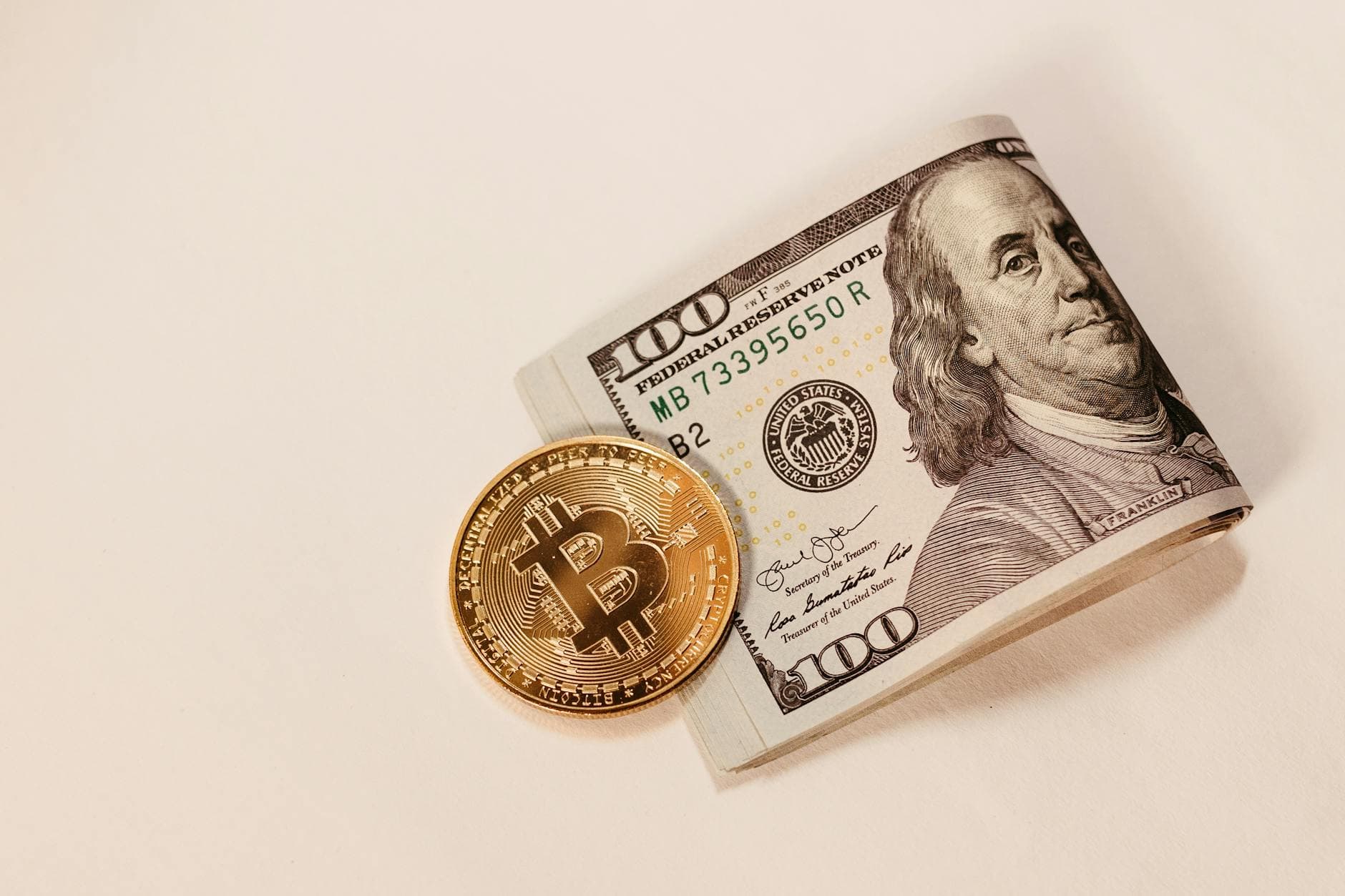
What Happened
Cash App, Square's mobile payment platform, has enabled users to send and receive USDC stablecoins across four major blockchain networks: Solana, Ethereum, Polygon, and Arbitrum. The feature allows Cash App's millions of users direct access to decentralized finance infrastructure without requiring separate cryptocurrency wallets or exchanges.
Miles Suter, an executive at Cash App's parent company Block, confirmed the expansion while emphasizing that Bitcoin remains the company's primary cryptocurrency focus. The rollout represents a strategic expansion of Cash App's blockchain capabilities beyond its established Bitcoin functionality.
The addition of USDC—a USD-backed stablecoin issued by Circle—provides Cash App users with a less volatile alternative to Bitcoin for transfers and payments. Each of the four supported networks offers different advantages: Solana provides faster transaction speeds, Ethereum offers the largest DeFi ecosystem, Polygon reduces transaction costs, and Arbitrum combines Ethereum security with lower fees.
Why It Matters
The expansion signals Block's confidence in stablecoin utility for mainstream payment adoption. By integrating USDC across multiple chains, Cash App reduces friction for users wanting to transact on different blockchains without managing separate accounts or wallets. This move bridges traditional fintech infrastructure with decentralized blockchain networks.
For the broader cryptocurrency market, this represents institutional validation of multi-chain infrastructure. Cash App's 70+ million users now have easier access to different blockchains, potentially accelerating mainstream adoption of both stablecoins and blockchain technology. The multi-chain approach also acknowledges that no single blockchain dominates user preferences—different chains serve different use cases.
The development matters for cryptocurrency exchanges and DeFi platforms that compete with Cash App's convenience factor. Square's integration into everyday payments reduces the friction previously required to access blockchain networks.
Expert Perspective
Cash App's stablecoin expansion reflects the maturing cryptocurrency market where Bitcoin and stablecoins serve different user needs. While Bitcoin functions as digital gold and long-term store of value, stablecoins like USDC enable daily transactions and payments. Square's dual focus—maintaining Bitcoin primacy while expanding stablecoin infrastructure—mirrors how legacy financial systems integrate multiple asset classes.
This multi-chain approach differs from traditional payments infrastructure, which operates on centralized networks. By supporting four separate blockchains, Cash App must maintain technical infrastructure across different consensus mechanisms and security models. Historical precedent exists in how payment networks like Visa and Mastercard operated across different banking systems, suggesting this complexity is manageable at scale.
What to Watch
Investors should monitor Cash App's USDC transaction volumes and user adoption rates across the four blockchains to assess whether multi-chain support drives meaningful engagement. Watch for announcements regarding additional chains—Layer 2 networks like Base or Optimism could signal expansion beyond the initial four. Track Block's quarterly earnings for cryptocurrency segment contribution and management guidance on blockchain's role in long-term strategy. Regulatory developments around stablecoins could accelerate or constrain this feature's growth trajectory.
Disclaimer: This article is AI-assisted and for informational purposes only. Nothing published on FinCNews constitutes financial advice, investment recommendation or solicitation. Cryptocurrency markets are highly volatile. Always conduct your own research and consult a qualified financial advisor before making investment decisions. About our editorial standards →