
Clarity Act Stalemate: One Portfolio, How Many Days of Paralysis?
Trump's crypto holdings have turned the Clarity Act's ethics provision into a legislative black box, stress-testing how far personal conflicts can delay compliance deadlines already written into the bill's own text.

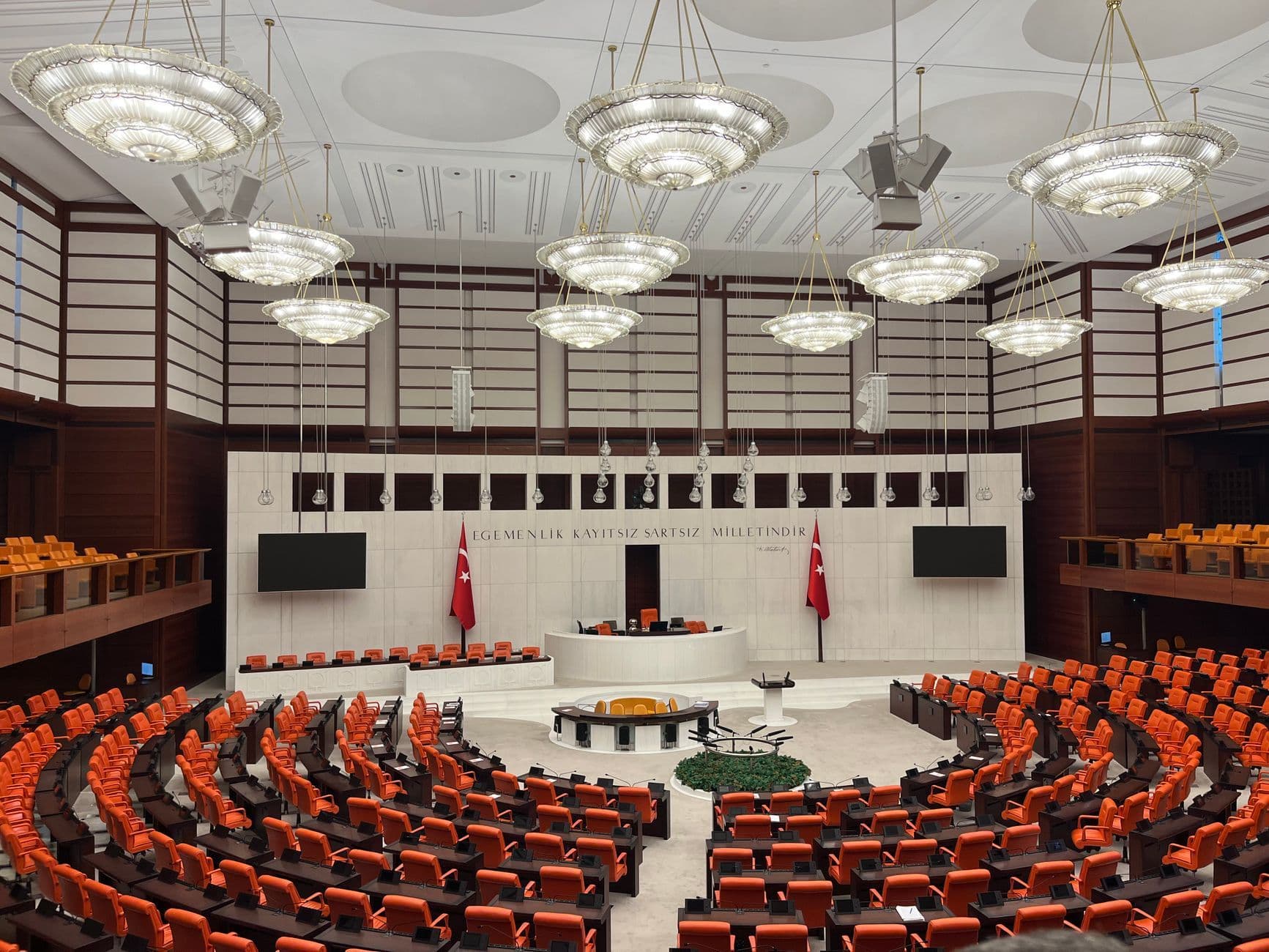
The Clarity Act is currently tracking 32% passage odds — per Leo Cruz's coverage from July 17 — while the legislative session that was supposed to resolve its ethics provision has produced nothing but silence.
This matters because the bill's own draft text contains compliance deadlines. Every day of stalemate is a day those internal clocks tick against a regulatory framework that has not yet been authorized. That is not a political observation. It is a structural one.
The Capture Stress Test
Regulatory capture is typically measured in outcomes: favorable rulemakings, diluted enforcement, delayed compliance windows. The Clarity Act standoff offers a rarer diagnostic — capture measured in real time, in days, against a self-imposed legislative schedule.
The ethics provision exists because the President holds material crypto exposure. The provision's purpose is to insulate rulemaking from that exposure. The irony is that negotiations over the provision are themselves being paralyzed by the exposure it is designed to address. The feedback loop is the story.
Historically, when executive-branch conflicts intersect with financial rulemaking timelines, markets reprice regulatory risk — not because they expect the worst outcome, but because uncertainty itself has a cost. The 2022–2023 hiking cycle demonstrated this with precision: each Fed communication gap widened credit spreads before the actual rate decision landed. Legislative ambiguity functions identically for compliance-sensitive assets.
Macro Framing
The Fed is currently holding at 4.25–4.5% with the dot plot signaling only two cuts in 2025 — a rate environment that already compresses speculative positioning in crypto. In that context, regulatory clarity functions as a partial substitute for monetary accommodation. When clarity is delayed, the asset class loses one of its two near-term positive catalysts.
Notably, BTC's correlation to macro risk factors has not dissolved during this legislative period. Bitcoin ETF inflows for the second consecutive week reached $75.7M — meaningful but decelerating. The momentum gap Leo Cruz flagged on July 20 is consistent with a market that is waiting for a second signal that has not arrived. The Clarity Act's stalemate is one candidate explanation for why institutional inflows have not accelerated further despite a relatively stable rate backdrop.
The DXY remains a parallel watch variable. As of July 21, the DXY index is trading near 104.2 — well off the 110 level it hit during the September 2022 CPI shock, but showing renewed firmness on safe-haven demand following mixed U.S. PMI data. Historically, a DXY move above 106 has coincided with measurable compression in BTC spot prices, independent of the legislative environment. The data doesn't resolve whether that threshold will be tested, but the combination of a stalled Clarity Act and any DXY print above 106 would represent compounding headwinds for institutional crypto positioning — and a clean quantifiable stress signal to monitor.
What to Watch
The core question the editorial directive correctly frames: how many days of legislative paralysis can one presidential portfolio generate against compliance deadlines the bill itself has already written?
The answer is measurable. If the ethics provision remains unresolved past the bill's own internal rulemaking trigger dates, the Clarity Act either gets stripped of its ethics language — a substantive weakening — or the whole framework slips into the next legislative window. Neither outcome is neutral for institutional positioning.
**Watch: July 29–30 — Any scheduled Senate Finance or Agriculture Committee sessions touching the Clarity Act text, with the specific threshold being whether ethics provision language is formally tabled or amended. Watch: July 31 — FTX Wave 5 $900M distribution date, which represents a discrete liquidity injection that could move into compliant on-shore vehicles if regulatory clarity improves, or remain parked in offshore and unstructured positions if the legislative environment stays frozen. The structural signal to track across both dates: whether spot Bitcoin ETF weekly inflows recover above $150M — the level consistent with sustained institutional accumulation — or remain sub-$100M, confirming that the Clarity Act stalemate is functioning as an active drag on compliant capital formation.**
Until the ethics provision resolves, institutional allocators have a binary read: the Clarity Act is either a near-term catalyst or a scheduled disappointment, and the July 29–31 window will determine which column it belongs in.
Disclaimer: This article is AI-assisted and for informational purposes only. Nothing published on FinCNews constitutes financial advice, investment recommendation or solicitation. Cryptocurrency markets are highly volatile. Always conduct your own research and consult a qualified financial advisor before making investment decisions. About our editorial standards →