
Mark Cuban Dumps Bitcoin After Hedge Strategy Fails
Billionaire investor Mark Cuban has sold most of his Bitcoin holdings after concluding the cryptocurrency failed to act as a hedge against dollar weakness and geopolitical turmoil. Cuban cited recent gold surges outperforming Bitcoin during the Iran conflict as evidence his original thesis was flawed.
FinCNews Editorial
View source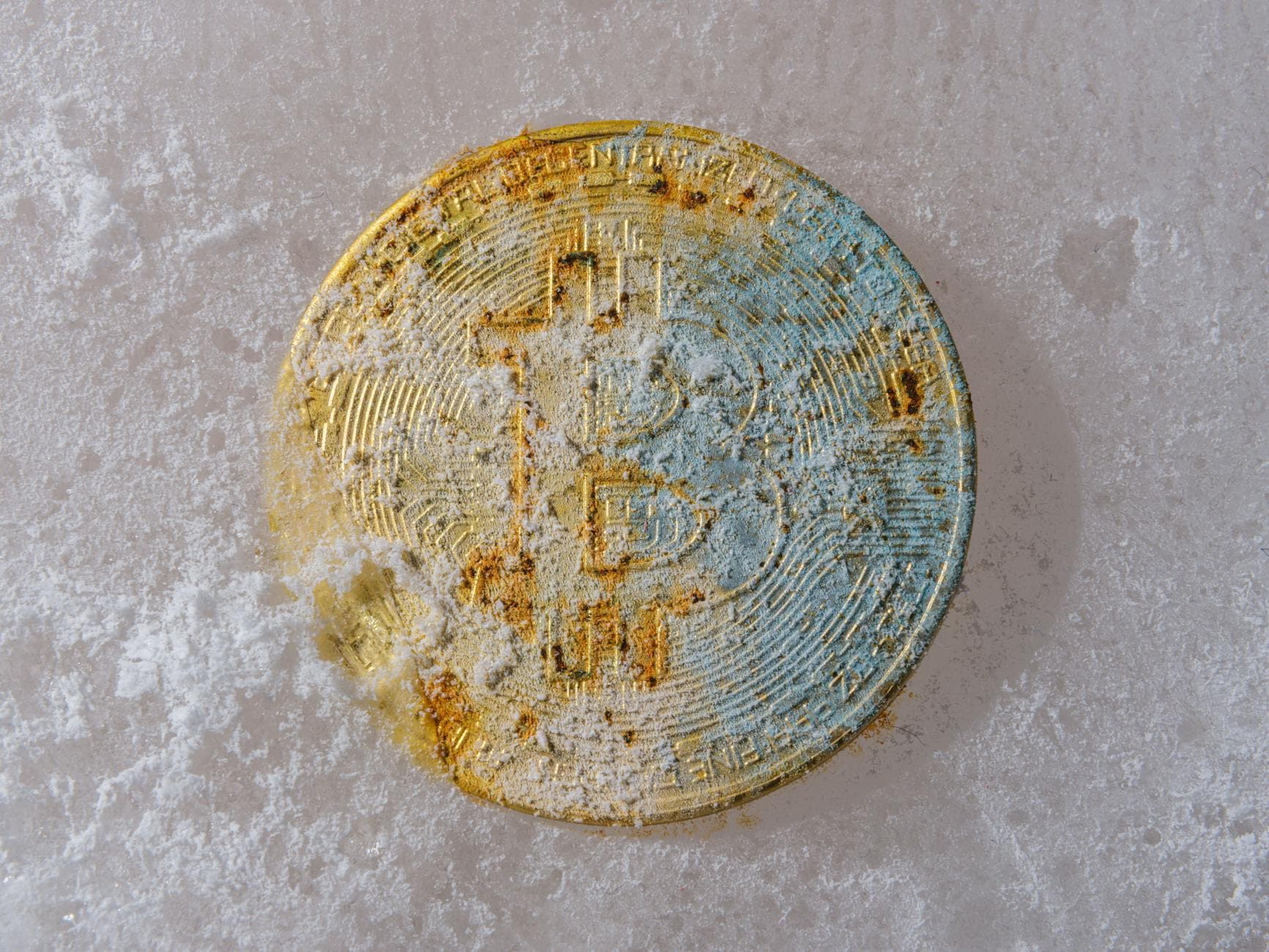
What Happened
Mark Cuban announced on May 21, 2026 that he has sold most of his Bitcoin holdings after losing confidence in the cryptocurrency's ability to function as a hedge asset. The billionaire investor stated that his initial investment thesis—that Bitcoin would serve as digital gold and protect against currency debasement and geopolitical instability—has been undermined by recent market performance.
During recent geopolitical tensions, particularly surrounding conflict with Iran, gold surged in value while Bitcoin fell, directly contradicting Cuban's original rationale for holding the cryptocurrency. This divergence prompted Cuban to reassess his portfolio allocation and liquidate the majority of his Bitcoin position.
Cuban, who previously described Bitcoin as a superior alternative to physical gold, now views Ethereum more favorably and has dismissed most other cryptocurrencies as "garbage." His statement underscores a fundamental debate within the investment community about Bitcoin's actual utility as a store of value and hedge instrument.
Why It Matters
Cuban's public pivot carries significant weight given his prominence as a billionaire investor and Shark Tank personality. His reversal on Bitcoin's hedge properties challenges the narrative that has driven much institutional adoption and retail investment in the asset class since 2020.
The shift reflects broader market reality: during genuine macro stress events, Bitcoin has not consistently performed as a safe-haven asset. Traditional hedges like gold have outperformed cryptocurrency during recent inflationary periods and geopolitical crises, suggesting investors seeking portfolio protection may need to reconsider their allocation strategies.
Expert Perspective
Cuban's experience illustrates a critical lesson for cryptocurrency investors: narrative-driven investment theses require validation through actual market performance. When assets fail to behave as promised during stress tests—the periods when hedges matter most—investors must be willing to exit positions regardless of conviction.
Historically, assets marketed as hedges must prove themselves during market dislocations. The fact that Bitcoin fell while gold rose during recent Iran-related volatility provided empirical evidence against the "digital gold" comparison that has been central to Bitcoin's investment narrative since 2013.
What to Watch
Investors should monitor whether Cuban's liquidation signals a broader institutional retreat from Bitcoin as a macro hedge. Watch for correlation patterns between Bitcoin and traditional safe-haven assets during the next significant geopolitical or economic stress event. Additional billionaire investor commentary on Bitcoin's hedging effectiveness could indicate whether this represents a sector-wide reassessment or an isolated position change. Track Bitcoin's performance relative to gold during periods of currency weakness and market uncertainty.
Disclaimer: This article is AI-assisted and for informational purposes only. Nothing published on FinCNews constitutes financial advice, investment recommendation or solicitation. Cryptocurrency markets are highly volatile. Always conduct your own research and consult a qualified financial advisor before making investment decisions. About our editorial standards →