
UK Parliament Probes Crypto Banking Access After IRGC Gap Ruling
A UK parliamentary group has launched a formal probe into crypto sector banking access, compounding the 14-year liability window we reported yesterday — with the October 2027 regulatory framework now under pressure from two directions.

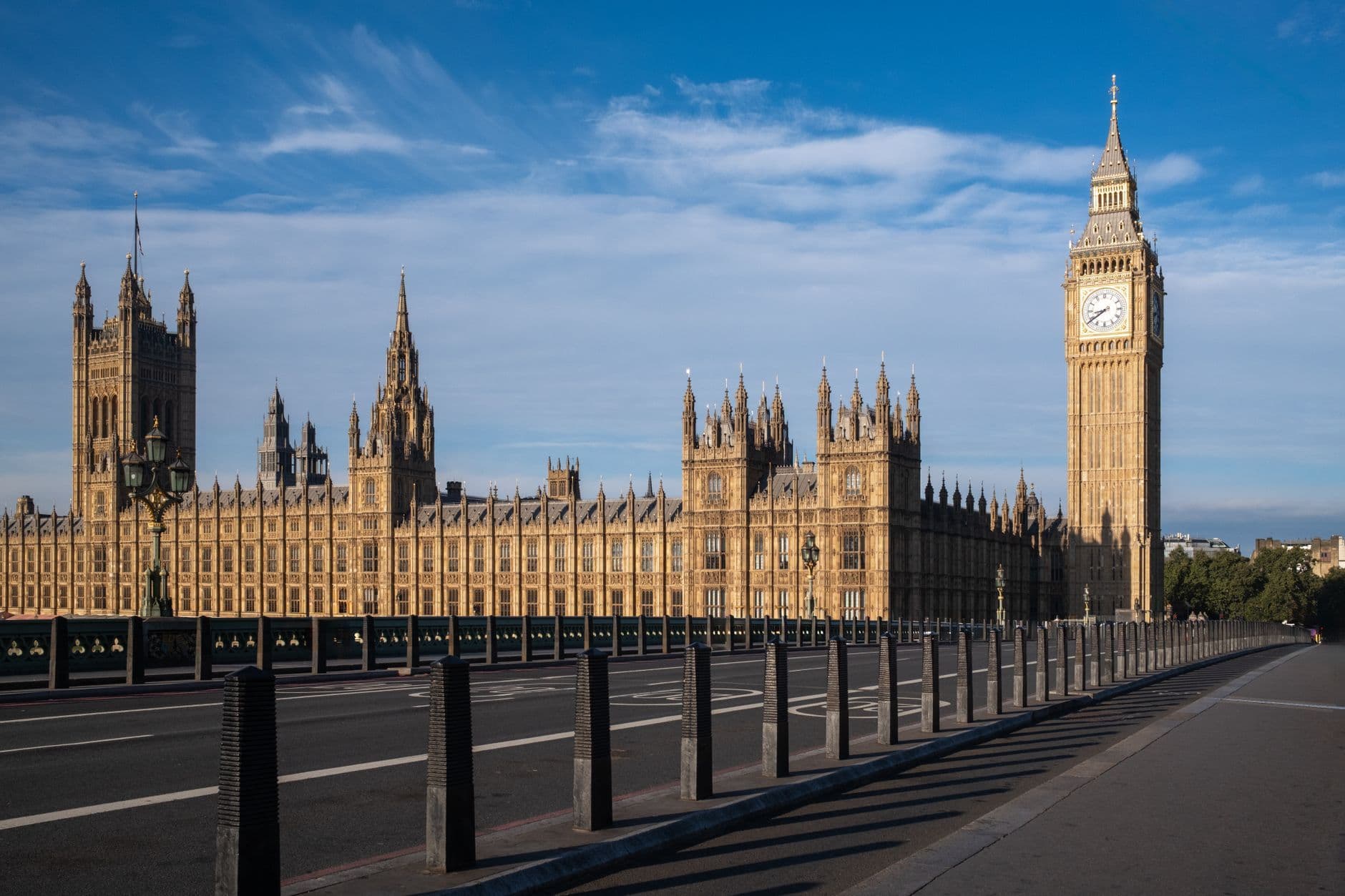
The UK's IRGC designation created a 14-year liability gap in crypto settlement, leaving firms exposed to retroactive compliance risk under a sanctions regime that predates the forthcoming regulatory framework. Now a UK parliamentary group has launched a formal probe into the crypto sector's banking access challenges — and the timing places both developments in an uncomfortable alignment.
What Changed
The parliamentary inquiry targets debanking specifically: the documented pattern of UK crypto firms being denied or losing commercial banking relationships without transparent justification. This comes weeks after the UK published its new crypto regulatory framework, scheduled to take effect in October 2027. The probe adds institutional scrutiny to what had previously been treated as a commercial dispute between private banks and their clients.
Notably, the parliamentary group's mandate now overlaps directly with the liability question identified in that earlier analysis. Banks citing sanctions risk — including the IRGC designation ambiguity — as grounds for debanking crypto firms will face parliamentary questioning on whether that risk assessment is proportionate or, alternatively, whether it constitutes regulatory arbitrage dressed as compliance.
Macro Implications
This matters because credit access is the transmission mechanism between regulatory intent and market function. A framework published in 2026 that takes effect in October 2027 is operationally irrelevant if licensed crypto firms cannot maintain banking relationships in the intervening period. The parliamentary probe implicitly acknowledges that gap.
From a macro perspective, the UK is attempting to run two contradictory policy tracks simultaneously: signaling openness to crypto capital flows while allowing incumbent banks to de-risk the sector through account terminations. Historically, regulatory frameworks without corresponding banking access produce jurisdictional arbitrage — firms re-domicile, not to evade rules, but because the operating infrastructure is unavailable domestically.
The rate environment compounds this. With the Fed held at 4.25–4.5% since January 2026 and the Bank of England navigating its own easing cycle, UK banks are managing credit allocation under margin pressure. Crypto relationships carry AML compliance costs that, in a tighter margin environment, banks have less tolerance to absorb. Parliamentary pressure may not change that calculus unless it translates into explicit regulatory guidance with teeth.
The data doesn't resolve this yet: whether the probe will produce binding recommendations or remain advisory is unknown. However, the combination of a published framework, an active sanctions liability gap, and now a parliamentary debanking inquiry creates the most concentrated regulatory pressure on UK crypto banking infrastructure in the sector's history.
What to Watch
- **Watch: October 2027** — UK crypto regulatory framework effective date; banking access conditions at that date will determine framework viability
- **Watch: Parliamentary probe timeline** — interim findings could force Bank of England or FCA guidance on debanking criteria before year-end
- **Watch: August 2026 BoE meeting** — any rate decision affecting UK bank margins will indirectly influence appetite for crypto client relationships
- **Watch: IRGC designation clarification** — if the 14-year liability gap is not legislatively addressed, banks retain a compliance justification for continued debanking regardless of parliamentary findings
Disclaimer: This article is AI-assisted and for informational purposes only. Nothing published on FinCNews constitutes financial advice, investment recommendation or solicitation. Cryptocurrency markets are highly volatile. Always conduct your own research and consult a qualified financial advisor before making investment decisions. About our editorial standards →