
US Bitcoin ATM Industry Fractures Under Regulatory Pressure
The Bitcoin ATM sector faces existential pressure as Bitcoin Depot's collapse exposes systemic vulnerabilities. Regulatory crackdowns, fraud concerns, and unsustainable fee structures are forcing consolidation across a once-booming market segment.
FinCNews Editorial
View source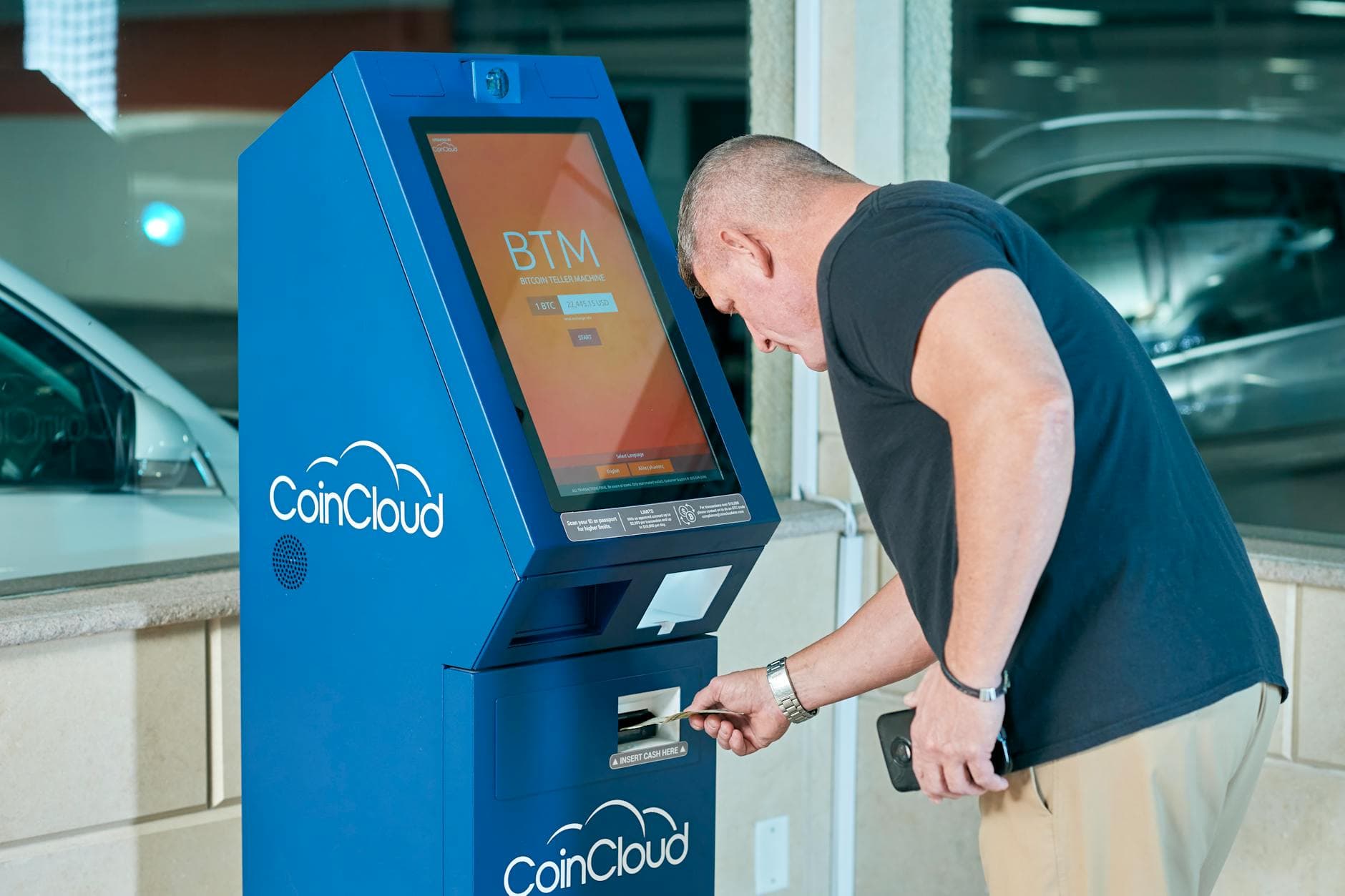
What Happened
Bitcoin Depot, one of the largest Bitcoin ATM operators in the United States, has experienced significant operational collapse, triggering widespread industry reassessment. The company's difficulties expose structural vulnerabilities across the estimated 30,000+ Bitcoin ATMs operating nationwide. Regulatory bodies including the Financial Crimes Enforcement Network (FinCEN) and state financial authorities have intensified scrutiny on the sector due to anti-money laundering (AML) compliance gaps and fraud facilitation concerns.
Operators face mounting pressure from multiple directions: state-level bans in jurisdictions like New York and California, federal compliance requirements, and persistent fraud incidents involving elderly victims and cryptocurrency scams. Transaction fees at Bitcoin ATMs typically range from 7-15%, creating customer friction and driving users toward exchanges. The operational model relies heavily on physical locations, regulatory compliance costs, and managing counterparty risk with cryptocurrency exchanges.
The industry expansion, which peaked around 2021-2022 with over 38,000 machines, has contracted as regulatory frameworks tightened and consumer protection concerns amplified. Major operators struggle with profitability as compliance infrastructure expenses accelerate and transaction volumes face headwinds from regulatory restrictions.
Why It Matters
The Bitcoin ATM industry collapse demonstrates how regulatory pressure can fundamentally reshape cryptocurrency infrastructure access. Traditional financial institutions have largely excluded Bitcoin onramps, making ATMs critical for cash-to-crypto conversion—particularly for unbanked and underbanked populations. The sector's deterioration reduces accessibility points for legitimate retail participants while potentially pushing transactions underground.
The fraud vulnerability represents a broader risk in the cryptocurrency ecosystem. Scammers exploit the irreversibility of Bitcoin transactions, targeting vulnerable populations through romance schemes, investment fraud, and government impersonation—often directing victims to Bitcoin ATMs for transfers. Regulators view this vulnerability as justification for stricter oversight, including location restrictions and transaction limits. The cascading effect threatens innovation in cryptocurrency accessibility while creating compliance burdens that favor larger, institutional players.
Expert Perspective
The Bitcoin ATM sector represents a critical inflection point between cryptocurrency adoption and financial regulation. Similar to early money transmission regulation, policymakers increasingly view ATM operators as gatekeepers requiring licensure, AML/KYC protocols, and transaction monitoring. Bitcoin Depot's operational challenges likely reflect both market saturation and regulatory costs that smaller competitors cannot absorb. Historical precedent from the prepaid card and money services business (MSB) sector suggests consolidation toward heavily capitalized operators capable of absorbing compliance infrastructure—potentially limiting consumer choice and competition.
The paradox lies in security theater versus actual protection. While regulators cite fraud prevention, transaction restrictions and operational bans may reduce surface-level fraud vectors while limiting legitimate access channels. Comparable regulatory transitions in remittance services show that compliance ultimately concentrates market power among compliant operators who can afford sophisticated monitoring systems, potentially reducing consumer access and increasing operational costs.
What to Watch
Monitor regulatory announcements from FinCEN regarding updated ATM operator guidance scheduled through 2024-2025, state-level ban expansions particularly from major markets, and transaction threshold changes implemented by compliant operators. Track Bitcoin ATM machine count by geography—accelerating decline below 25,000 machines nationally would signal market contraction phase. Observe whether institutional players (exchanges, crypto custodians) develop licensed ATM alternatives, and monitor fraud statistics reported by FBI and IC3 to assess whether restrictions demonstrably reduce scam facilitation or merely displace it.
Not financial advice.
Disclaimer: This article is AI-assisted and for informational purposes only. Nothing published on FinCNews constitutes financial advice, investment recommendation or solicitation. Cryptocurrency markets are highly volatile. Always conduct your own research and consult a qualified financial advisor before making investment decisions. About our editorial standards →