
Bitcoin at $80,979: ETF Cost Basis Breached as Whales Face Test
BTC falls 3.3% to $80,979 after hot CPI, breaching average ETF entry cost. Whale accumulation at near-year highs now faces its first real stress test.

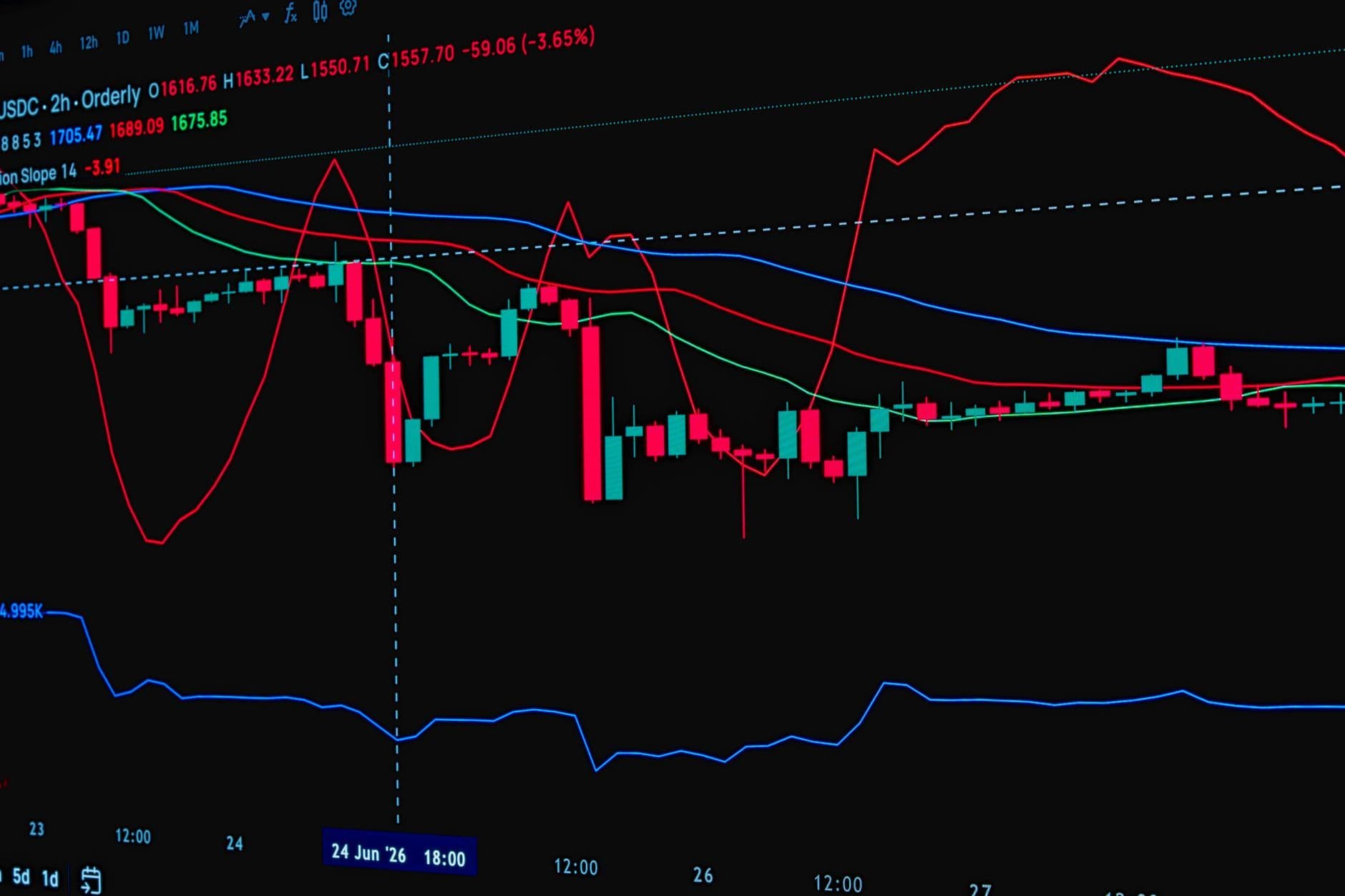
Bitcoin has extended its decline to $80,979, a 3.3% drop in 24 hours, after the October CPI print of 3.35% — above the prior month's reading and above consensus expectations — revived Fed hike risk and pushed 30-day hike odds to 55%. The asset has now slipped below the average cost basis of US spot ETF holders.
What Changed
The ETF cost-basis breach is the material development. When spot price falls below the average acquisition price of institutional ETF holders, the behavioral calculus shifts — unrealized gains become unrealized losses, and redemption pressure can accelerate mechanically rather than through conviction selling. Marcus Webb's reporting today confirms $942M in crypto liquidations, with the cascade originating at the $82K level and deepening from there. The long wipeout is not incidental; it reflects positioning that was constructed on a rate-cut narrative the CPI print has now structurally invalidated.
The whale dynamic compounds this. As we covered on October 14th, BTC whales had accumulated to a 3.03M BTC stack — levels not seen in nearly a year — in the weeks preceding the CPI release. That accumulation occurred in a rate environment where the dominant expectation was a path toward easing. With October CPI at 3.35% and remaining well above the Fed's 2% target, that expectation has been repriced. Notably, CPI and core PCE are distinct measures — the Fed has formally anchored its 2% inflation target to the PCE deflator, not CPI — and each series should be evaluated independently. What both currently share, however, is a directional signal: inflation is not yet at a level that supports near-term easing. Historically, the September 2022 CPI surprise (8.3%, hotter than expected) produced a 10% BTC decline within one hour and a DXY spike to 110. The current regime is structurally different — we are not in a hiking cycle, we are in a hold cycle with hike optionality re-emerging — but the directional sensitivity to inflation surprises remains intact.
Macro Implications
The yield curve context matters here. In our October 15th piece, we documented spread widening with DXY strength as a concurrent development — the specific DXY level cited in that report is currently under editorial verification and will be updated once confirmed. A sustained elevated DXY historically compresses risk-asset multiples. BTC is not immune to this channel — dollar strength represents a direct liquidity withdrawal from dollar-denominated risk assets, and steepening in the term structure signals that markets are pricing longer duration risk back in. The ETF cost-basis breach is therefore not merely a technical data point; it is a confirmation that the macro regime shift is now transmitting into institutional P&L.
The whale retention question — whether large holders maintain their near-year-high stack through this drawdown — is ultimately a question about their rate assumptions. If whales accumulated on a 2025–2026 cut thesis, and that thesis is now repriced to a hold-or-hike thesis, the marginal seller emerges from that cohort. The data doesn't resolve this yet; on-chain accumulation addresses can be monitored but intent cannot be inferred from position alone.
What to Watch
Watch: December 17–18 — FOMC meeting, where the committee's statement language around inflation tolerance will either confirm or soften the hike optionality the market is currently pricing. A hold with hawkish language locks BTC below the ETF cost-basis level; any dovish qualification reopens the accumulation thesis for whale holders currently sitting on drawdowns.
Disclaimer: This article is AI-assisted and for informational purposes only. Nothing published on FinCNews constitutes financial advice, investment recommendation or solicitation. Cryptocurrency markets are highly volatile. Always conduct your own research and consult a qualified financial advisor before making investment decisions. About our editorial standards →