
Fed Signals Persistent Rate Hikes, Pressuring Bitcoin
Federal Reserve minutes indicate policymakers expect interest rates to remain elevated for an extended period. The hawkish stance weighs on Bitcoin and risk assets as investors reassess economic growth expectations.
FinCNews Editorial
View source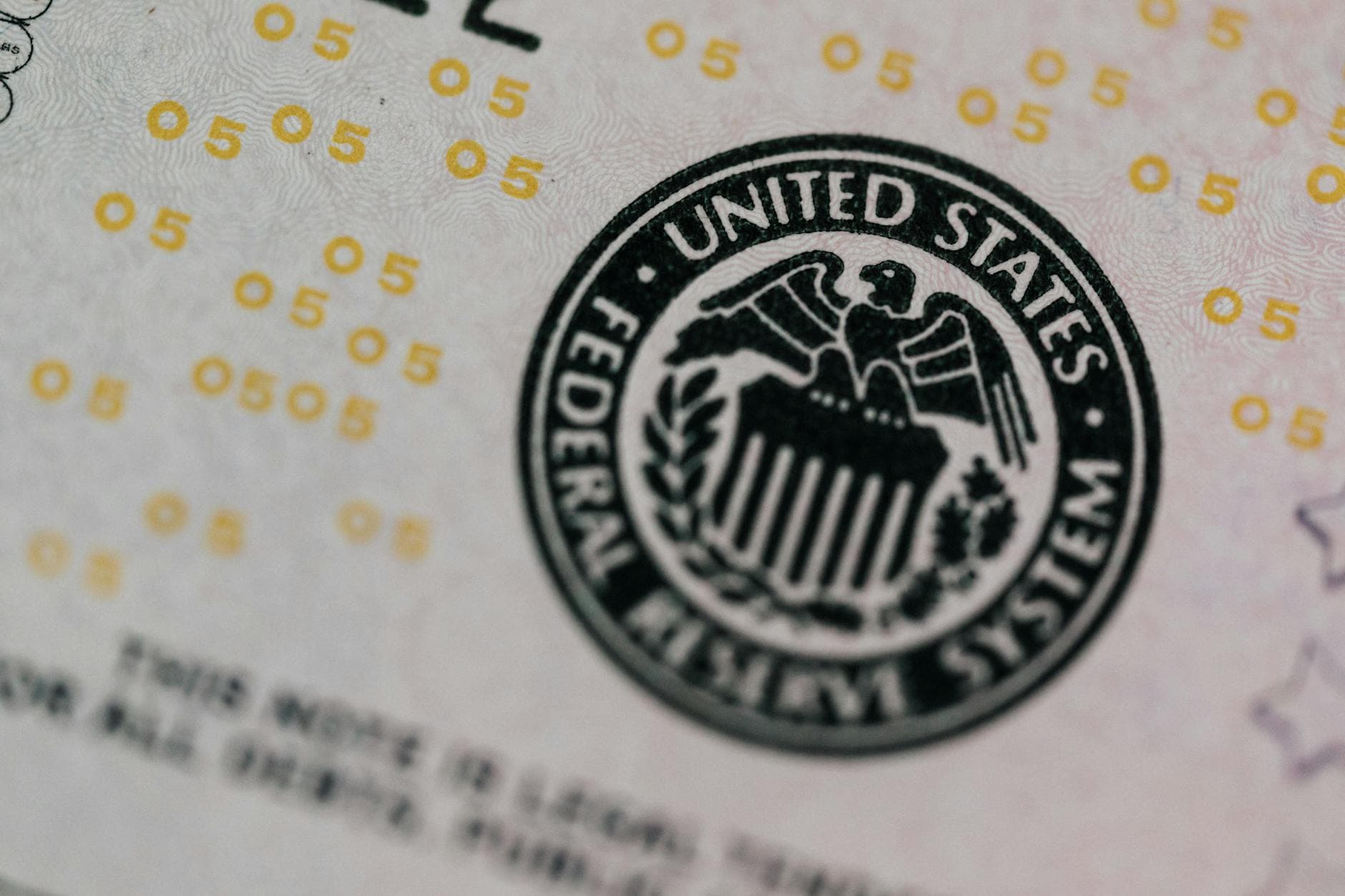
What Happened
Federal Reserve meeting minutes released this week revealed that policymakers continue to view elevated interest rates as necessary to combat inflation, signaling a "higher-for-longer" rate environment. The phrase "higher-for-longer" has become the dominant message from Fed communications, indicating that rate cuts may not occur as soon as markets previously anticipated.
The minutes did not specify exact timelines or rate targets, but emphasized the Fed's commitment to maintaining restrictive monetary conditions until inflation sustainably reaches the 2% target. Multiple Fed officials have reiterated this stance in recent weeks, creating consensus around extended higher rates.
Bitcoin and other risk assets immediately reacted to the news, with BTC trading down approximately 0.42% on the day of the announcement. The broader cryptocurrency market also experienced selling pressure, with investors rotating away from higher-risk investments toward traditional safe-haven assets.
Why It Matters
Higher-for-longer rate policies directly impact Bitcoin's valuation dynamics. Rising interest rates increase the opportunity cost of holding non-yielding assets like Bitcoin, as investors can earn returns through traditional fixed-income instruments. This fundamental shift affects asset allocation decisions across institutional and retail portfolios.
The Fed's stance also influences inflation expectations and currency values, both of which historically correlate with Bitcoin price movements. A stronger dollar resulting from higher rates typically exerts downward pressure on commodities and alternative assets. Additionally, the extended timeline for rate maintenance reduces near-term catalysts for risk-on sentiment that could drive cryptocurrency valuations higher.
Expert Perspective
The current environment mirrors the 2022 period when the Fed aggressively raised rates to combat post-pandemic inflation. Bitcoin declined significantly during that cycle as the cost of capital increased. However, the Fed's current approach appears more measured, with gradual adjustments rather than sharp increases. This measured pace may limit the severity of downside pressure compared to previous tightening cycles.
Historically, Bitcoin has performed best during periods of monetary accommodation and falling real interest rates. The prospect of rates remaining elevated presents a structural headwind for the asset class. Investors expecting near-term Fed pivot should recalibrate expectations based on recent communications emphasizing inflation persistence.
What to Watch
Investors should monitor upcoming Consumer Price Index releases, the Fed's next policy decision in June, and any changes in Fed communication regarding rate cut timing. Key technical support levels for Bitcoin exist in the $60,000-$62,000 range, with breaks below this level potentially triggering further selling. Additionally, watch for institutional allocation shifts and any statements from Fed Chair Jerome Powell that might signal earlier-than-expected policy adjustments.
Not financial advice.
Disclaimer: This article is AI-assisted and for informational purposes only. Nothing published on FinCNews constitutes financial advice, investment recommendation or solicitation. Cryptocurrency markets are highly volatile. Always conduct your own research and consult a qualified financial advisor before making investment decisions. About our editorial standards →